Shop best loose leaf tea canada for the perfect cup every time
The Comprehensive Guide to Loose Leaf Tea: Advantages, Steeping Techniques, and Best Brands
Loose leaf tea offers a rich tapestry of flavors and benefits that distinguish it from traditional tea bags. Understanding the vital steeping methods can enhance the tea experience considerably. However, many enthusiasts miss common pitfalls that can diminish the taste. Additionally, knowing how to select the right tea is crucial. This guide will explore these aspects and more, providing insights that might transform how one approaches this ancient beverage.
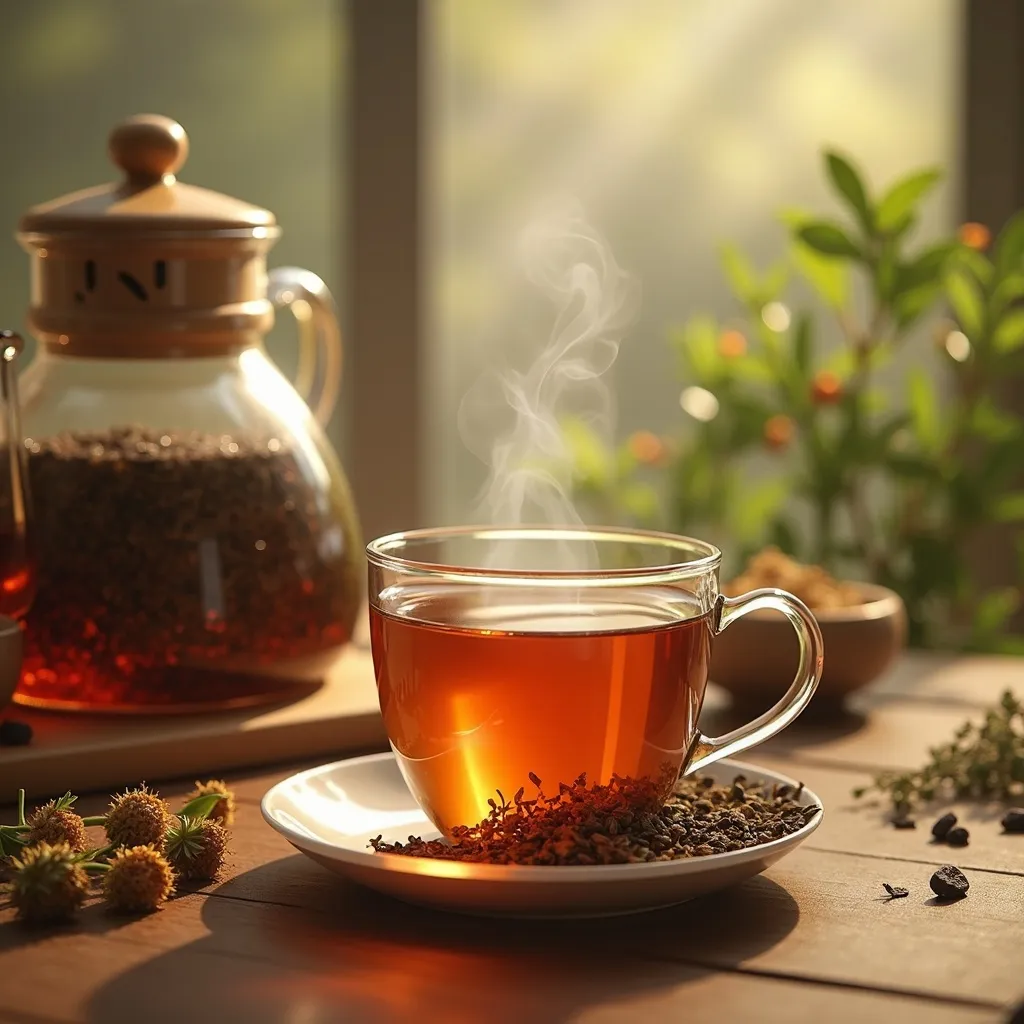
Vital Extraction Techniques for Superior Loose Leaf Tea
Brewing loose-leaf tea has the power to turn a simple beverage into a delightful experience. The process starts with selecting top-quality leaves, since the flavor and aroma largely depend on their fresh state. Maintaining a precise water temperature is vital; different types of tea need specific ranges to unlock their full potential. For example, delicate green teas do best at lower temperatures, whereas robust black teas benefit from boiling water.
Measuring the right amount of tea is also important, typically one teaspoon for every cup. Steeping time plays a major role in taste development; over-steeping can lead to bitterness. Using a suitable infuser allows the leaves to expand and release their compounds fully. Finally, enjoying the tea without distractions improves the experience, allowing the drinker to appreciate the intricacies of flavor and aroma. Mastering these techniques ensures a perfect cup of loose leaf tea every time.
Usual Oversights to Circumvent in Loose Leaf Tea Brewing
Many tea lovers overlook common errors that can reduce the caliber of their loose leaf tea. One common error involves using water that is too hot or too cold, which can lead to excessive extraction or under-extraction of flavors. Additionally, failing to measure the tea leaves accurately can result in a brew that is either too weak or overly bitter. Another frequent mistake is neglecting to steep for the appropriate duration; different teas require particular steeping times to reveal their full potential. Moreover, using unfiltered water can impart unwanted tastes, compromising the tea's flavor. Finally, failing to clean brewing equipment regularly may lead to residual flavors from previous brews, affecting the current cup. By avoiding these common mistakes, tea lovers can improve their brewing process and enjoy a more satisfying loose leaf tea experience.
Discovering the Flavor Dimensions of Loose Leaf Tea
A wide range of taste characteristics is present in loose leaf tea, each providing unique tasting experiences. These profiles can vary considerably based on factors such as the type of tea leaves, cultivation environments, and preparation techniques. For instance, green tea varieties often display herbal and plant-like flavors, and black tea varieties can present robust, grain-like tastes with hints of chocolate or caramel. Oolong teas may connect these characteristics, displaying floral and fruit undertones.
Although not technically tea, herbal infusions offer their own distinct flavors, ranging from the stimulating mint of peppermint to the earthy tones of rooibos. White teas are valued for their delicate, subtle sweetness and airiness, often inspiring a sense of calm. Understanding these taste characteristics enables tea enthusiasts to discover and enjoy the vast selection of flavors, enhancing their overall experience with tea. Each cup can become a journey through different regions and cultures, showcasing the craftsmanship behind loose leaf tea.
How to Select the Right Loose Leaf Tea for You?
Finding the right tea leaves can be an delightful but challenging pursuit for many enthusiasts. To explore this expansive variety, one must consider personal tastes, including flavor, scent, and wellness benefits. First, pinpointing the desired taste characteristics—whether floral, fruity, or earthy—can considerably limit options.
Next, understanding the caffeine amount is important; some may choose the invigorating impact of black tea, while others might prefer the relaxing properties of herbal blends. Additionally, discovering different tea origins can provide unique taste experiences, as each region imparts distinct characteristics.
In conclusion, weighing any wellness perks associated with distinct tea options, like green tea's antioxidants or digestive aids in herbal infusions, can further direct the selection process. By reflecting upon these factors, tea connoisseurs can confidently pick a loose leaf variety that fits with their tastes and wellness goals.
Leading Brands for Unbroken Tea
When examining the best brands for loose leaf tea, it is crucial to consider both specialty selections and cost-effective options. Specialty brands often supply distinctive blends and premium ingredients, appealing to tea enthusiasts. However, cost-effective daily options can provide pleasant flavors without overspending, making them accessible for frequent enjoyment.
Best Artisan Brands
While tea devotees often search for excellent taste and character, the choice about artisan brands can markedly enhance the enjoyment of loose leaf tea. Specialty tea makers are known learn now for their meticulous sourcing and crafting processes, which result in exceptional flavor profiles and unique blends. Key examples include Adagio Teas, esteemed for their broad range and focus on quality, and Harney & Sons, acknowledged for their elegant packaging and premium ingredients. Another standout is Steven Smith Teamaker, which emphasizes limited quantity creation, making sure each tea reflects its origin's character. To sum up, Rishi Tea prioritizes eco-friendly practices and natural sourcing, drawing in eco-conscious drinkers. These brands showcase the artistry of loose leaf tea, offering connoisseurs a wonderful exploration through flavor and heritage.
Inexpensive Standard Possibilities
Everyday affordable options in loose leaf tea provide a pleasing way for tea enthusiasts to savor excellent brews without breaking the bank. Brands such as Harney & Sons, renowned for their broad variety and affordable rates, present flavorful blends that suit diverse tastes. Likewise, Adagio Teas stands out with its affordable sampler packs, enabling consumers to try diverse options without a significant investment. For those looking for organic options, The Tea Spot offers high-quality loose leaf teas at affordable prices. Lastly, Stash Tea combines cost-effectiveness with a wide array of choices, making it simple for tea lovers to find their ideal brew. These brands demonstrate that enjoying premium loose leaf tea doesn't have to come at a high cost.
Organizing Your Loose-Leaf Tea: Convenient Tips
Proper storage is vital for maintaining the freshness and flavor of loose leaf tea. Selecting the appropriate vessels, combined with controlling temperature and humidity, can greatly enhance the tea's shelf life. Understanding these aspects will enable tea devotees preserve their favorite varieties with success.
Ideal Storage Containers
When determining best storage containers for tea leaves, one should consider factors such as light exposure, air circulation, and dampness prevention. Containers must be opaque to protect tea from sunlight, which can harm taste and smell. Tight seals are necessary to block air from getting inside, keeping quality. Materials like metal, glass, or ceramic are favorable, as they do not soak up scents or moisture. Avoid plastic holders, which may introduce unwanted tastes. In addition, it is beneficial to select holders with a large opening for easy access and washing. Finally, the suitable storage solution will maintain the tea's quality and boost the brewing enjoyment, ensuring each cup is as delightful as intended.
Optimal Heat and Moisture
The maintenance of loose leaf tea copyrights greatly on ideal temperature and humidity levels. To maintain freshness, tea should be kept in a cool and dry location, ideally between 60°F to 75°F (15°C to 24°C). Too much heat can cause flavor degradation, while colder temperatures may cause moisture condensation. Humidity levels should remain below 70% to prevent mold and spoilage. Airtight containers, preferably opaque to block light, further shield tea from environmental factors. When traveling or in humid climates, a desiccant packet can help absorb excess moisture. By adhering to these guidelines, tea lovers can guarantee their loose leaf tea retains its vibrant flavor and beneficial properties for an longer time. Proper storage is essential for enjoying the full potential of every cup.
The Unique Benefits of Loose Leaf Tea
While many tea lovers prefer the practicality of tea bags, full leaf tea delivers a range of unique perks that enhance the overall pleasure. One significant advantage is the superior quality of the tea leaves. Loose leaf varieties generally feature of whole, unbroken leaves, which retain more aromatic compounds and taste compared to the dust and fannings often discovered in tea bags. This results in a richer, more aromatic brew.
Moreover, loose leaf tea offers superior control over the preparation method. Tea lovers can readily modify the quantity of tea and steeping time to suit their taste, permitting a tailored taste experience. The bigger leaf sizes also expand during infusing, promoting better infusion and nutrient absorption.
Finally, natural tea leaves is often more environmentally responsible, as it normally comes without the problems caused by individual tea bags. Overall, these benefits enhance a more fulfilling and green tea-drinking experience.

Frequently Inquired Questions
Is It Feasible to Brew Again Loose Leaf Tea for Multiple Brews?
Yes, whole leaf tea can be resteeped for numerous brews. Each successive infusion often produces varied flavors, improving the tasting experience. However, the frequency of resteeping is determined by the particular variety and caliber.
What Time Can Loose Leaf Tea Keep Fresh?
Loose leaf tea generally remains fresh for six to twelve months when stored properly in an airtight container, away from sunlight, moisture, and strong odors. After this timeframe, taste and scent gradually diminish.
What Accessories Do I Need for Loose Tea Leaves?
Brewing loose leaf tea demands a teapot or infuser, a kettle for heating water, a spoon for measurement for precise amounts, and a timer to ensure optimal brewing time for the best flavor.
Is Loose Leaf Tea Costlier Than Bagged Tea?
Loose leaf tea tends to be more expensive compared to bagged tea on account of top-quality leaves and a more intricate manufacturing process. However, many admirers maintain the exquisite taste and ritual justify the extra cost.
Can I Merge Different Styles of Loose-leaf Tea?
Yes, several types of loose leaf tea can be mixed. Mixing different tastes and fragrances facilitates unique blends, amplifying the tasting experience. Trying different proportions can lead to delightful and bespoke tea creations.